
Mountain Property Winter Safety Issues Homeowners Should Watch For
Introduction
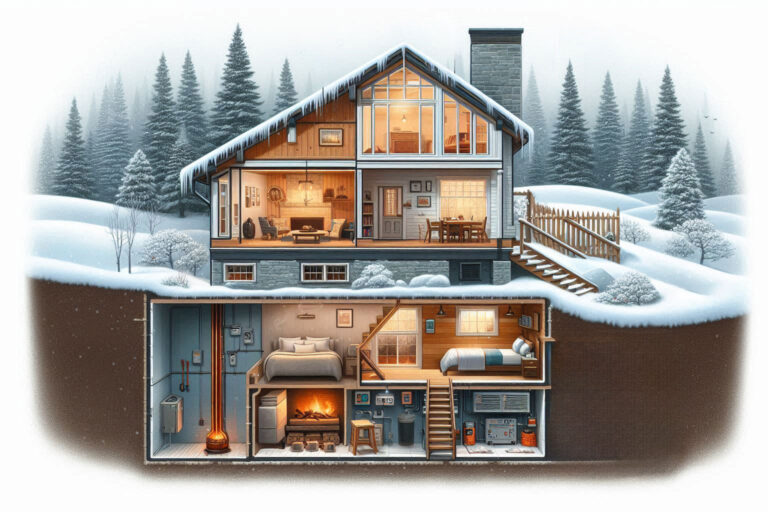
Winter in the North Carolina and Georgia mountains brings unique challenges for homeowners that buyers don’t always think about during showings. Unlike colder northern climates, our mountain region doesn’t typically face heavy snow loads—but it does experience sharp temperature swings, power outages, steep terrain, and increased reliance on alternative heat sources. These factors can create real mountain property winter safety risks if a home isn’t properly prepared.
I’m Gary Ward with Advantage Chatuge Realty, and after more than 25 years helping clients buy and sell North Carolina mountain property and Georgia mountain real estate, I’ve seen winter-related issues cause everything from minor repairs to major property damage. Understanding these mountain home winter safety risks ahead of time can help homeowners protect their investment and buyers avoid unpleasant surprises after closing.
Fire Risks Increase During Mountain Winters
Fire risk is one of the most serious mountain home winter safety hazards in mountain homes. As temperatures drop, homeowners rely more heavily on fireplaces, wood stoves, space heaters, and supplemental power sources.
Common winter fire contributors include:
- Improperly vented fireplaces or wood stoves
- Creosote buildup in chimneys
- Space heaters placed too close to combustible materials
- Overloaded electrical circuits and extension cord misuse
Mountain homes —especially older cabins or remodeled properties—may not have electrical systems designed to handle modern power demands. This is where fire risk often starts.
Electrical Load, Breaker Panels & Extension Cords
One issue I see sometimes in NC and GA mountain homes is electrical systems operating beyond their intended capacity. When homeowners add space heaters, power tools, workshop equipment, or seasonal lighting, the electrical load can exceed what the breaker panel and wiring were designed to handle.
Important things to watch for:
- Older breaker panels that lack modern load protection
- Circuits that trip frequently when heaters or tools are in use
- Extension cords being used as permanent wiring
- Multiple high-draw devices plugged into the same circuit
Extension cords are especially risky when used long-term or with heat-producing devices. They can overheat, degrade over time, and become ignition sources—particularly in colder conditions where insulation becomes brittle.
A licensed electrician can evaluate whether a home’s breaker system is properly sized for current usage. This is an important step for homeowners and a worthwhile inspection item for buyers considering mountain real estate.
Frozen Pipes & Water Damage
Even without heavy snowfall, mountain temperatures can drop quickly at night. Frozen pipes are a common winter issue, especially in:
- Crawl spaces
- Exterior walls
- Vacation homes left unattended
- Older plumbing systems
Burst pipes can cause extensive damage before the issue is discovered—especially in homes that aren’t occupied full-time. Proper insulation, maintaining minimal interior heat, and knowing where shutoff valves are located can significantly reduce risk.
Slips, Falls & Icy Access Points
Steep terrain is part of the appeal of mountain property—but it also creates winter hazards. Light ice, frost, or freezing rain can make:
- Porches
- Steps
- Walkways
- Sloped driveways
dangerous very quickly.
Homes shaded by trees may stay icy longer than expected, even when temperatures rise. Buyers should evaluate access points carefully during winter months, and homeowners should consider non-slip surfaces, proper drainage, and adequate handrails.
Power Outages & Backup Heating Risks
Power outages are more common in mountain areas due to wind, trees, and remote utility lines. When outages occur, homeowners often turn to backup heat sources or generators.
Winter risks include:
- Improper generator placement (carbon monoxide danger)
- Overloaded extension cords during outages
- Frozen pipes when heat systems go offline
Backup systems should be reviewed for safety, and generators should always be operated according to manufacturer and fire safety guidelines.
Tree, Limb & Wind Damage
Winter storms don’t need heavy snow to cause damage. Saturated ground combined with high winds can loosen root systems and bring down trees or large limbs.
This can result in:
- Roof damage
- Deck damage
- Septic and drain field damage
- Blocked driveways
- Power line disruption
Routine tree maintenance and inspection is an important preventative step for mountain homeowners.
Lithium-Ion Batteries & Power Tools (A Growing Concern)
Many homeowners store battery-powered tools, lawn equipment, and recreational gear on porches, in garages, or in workshops. While convenient, lithium-ion batteries can pose fire risks if damaged, improperly stored, or exposed to temperature extremes.
This is becoming a growing issue in both NC and GA mountain homes, particularly during winter when batteries are used less frequently but remain connected to chargers or stored in unconditioned spaces.
I’ll be covering this topic in more detail in an upcoming article, as battery-related fires are an issue every homeowner should understand.
What Buyers Should Check Before Closing
Before purchasing mountain property, buyers should:
- Confirm electrical systems and breaker capacity
- Ask about heating sources and backup systems
- Inspect plumbing for freeze risk
- Review access points for winter safety
- Evaluate fire prevention measures
A thorough inspection and asking the right questions can prevent costly repairs and safety issues later.
Final Thoughts
Winter safety in NC and GA mountain homes isn’t about extreme weather—it’s about preparation, proper systems, and understanding how mountain conditions affect a property. Whether you’re a homeowner preparing for winter or a buyer evaluating a mountain real estate purchase, awareness is your best protection.
If you’re considering buying or selling North Carolina mountain property or Georgia mountain real estate, I’m happy to help guide you through what to look for and which questions to ask. Contact Gary Ward with Advantage Chatuge Realty to make sure your mountain home is both safe and sound year-round.